
Criminal Cases in Custer County Courts
Custer County divides criminal work between Magistrate Court and District Court. Magistrate Court hears misdemeanors, traffic matters, warrants, and the early stages of felony cases. District Court hears felony trials and appeals. Both divisions are part of Idaho's Seventh Judicial District. The county calendar normally places Magistrate Court on Mondays and Tuesdays, while District Court sits on the second Tuesday of each month. Those are ordinary calendar patterns, not a promise that a specific hearing will occur on that day.
The Custer County court clerk is the custodian to contact for the actual case file. The county currently lists the court records counter at 269 S. 9th Street #1128, Challis, with P.O. Box 1128 for mail. The older statewide directory still showed 801 Main Street during the courthouse transition, so a person planning an in-person visit should call 208-879-2359 first. General and records questions may also go to custercourtclerks@custer.idcourts.gov. Counter hours are listed as weekdays from 8:00 a.m. to 5:00 p.m., excluding holidays.
Custer County Felony Case Path
A felony file may begin in Custer County Magistrate Court before it reaches District Court. The magistrate handles the first appearance and preliminary proceedings. If the prosecutor files and the case advances, the District Court record carries the arraignment, later motions, plea or trial, judgment, and sentence. A misdemeanor generally stays in Magistrate Court. This split is why a searcher should read the court location, case type, and event history instead of assuming that one screen contains the complete path.
The prosecutor's charging decision creates the filed court accusation. It may not match the label used at arrest. Compare the charging document with the count-level disposition, because charges may be added, amended, reduced, or dismissed as the case moves. For broader context on the event before filing, the Custer County arrest history process points to sheriff-created records. The court file remains the source for what was actually prosecuted.
How to Search Case Records
The Idaho iCourt Portal is the first public search channel for filed Custer County cases. It provides a statewide index and register of actions. It is not a fingerprint-confirmed identity match, and access to a docket entry does not mean that its underlying PDF can be downloaded. Use an exact case number when known. With a name search, filter the location to Custer County and compare filing dates and case types before treating a result as the intended file.
- Open the public iCourt portal and choose Smart Search.
- Enter the exact case number, or format a party name as directed.
- Use advanced filters to select Custer County, criminal or traffic type, and a useful date range.
- Open the matching case and read its events, charges, status, and disposition.
- Ask the Custer County clerk for unavailable documents, older material, copies, or certification.
| Field | Type | Required | Use |
|---|---|---|---|
| Smart Search | Text | One criterion | Party name or exact case number |
| Advanced Filtering | Controls | No | Narrows broad results |
| Location | Dropdown | No | Select Custer County |
| Case Type | Dropdown | No | Choose criminal or traffic as needed |
| Date Range | Date controls | No | Useful for common names and older files |
| Search / Reset | Buttons | Search is required | Run or clear the query |
Rule 32 Limits Custer Case Access
An empty result does not always mean that no Custer County criminal case exists. Idaho Court Administrative Rule 32 separates public court information from confidential, sealed, and shielded material. Juvenile cases, protected identifiers, and other restricted content will not appear like an ordinary public criminal file. Some public event titles may remain visible even when the document itself is not available remotely.
The official Rule 32 page shows the governing access framework. That framework explains why the clerk, not a blank portal screen, is the right fallback.
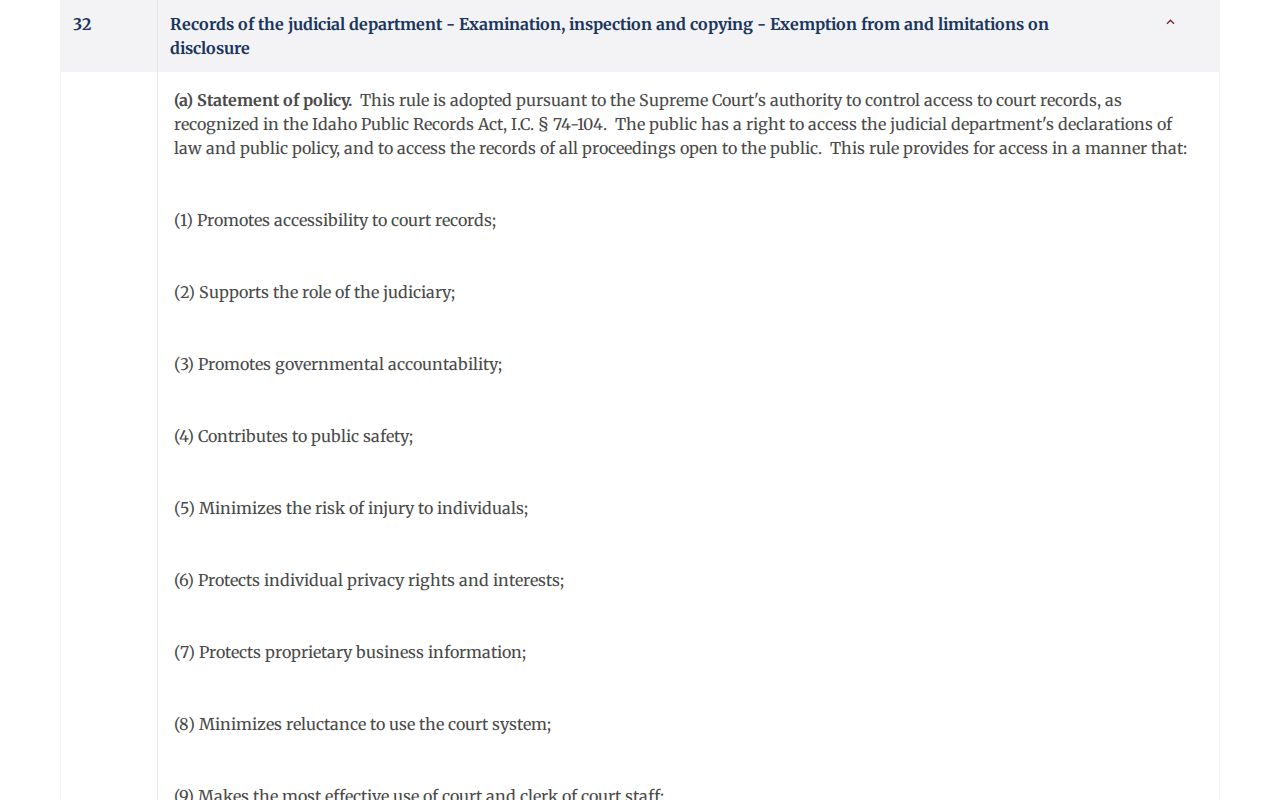
Ask the Custer County clerk about inspection, copies, certification, and the access status of a known case. Idaho's Public Records Act governs many county records, but court-file access is handled primarily under Rule 32. A request for a sheriff incident report must instead go to the agency that created it.
What the Case File Shows
A Custer County case file records prosecution, not merely custody. The public register may show a complaint or information, summons or warrant activity when public, appearances by counsel, preliminary hearings, arraignment, pleas, motions, orders, trial settings, judgment, sentence, and post-judgment events. Read each count through its final result. A status label is the current administrative posture, while a disposition states the count-level outcome.
| Case Number and Court | Identifies the Custer County file and division; do not rely on name alone. |
|---|---|
| Charging Document | States filed allegations and statutes, which may differ from booking labels. |
| Docket Entries | Chronology of filings and events; the title is not always the full document. |
| Hearing Dates | Scheduled proceedings that should be checked against the local calendar. |
| Disposition and Judgment | Shows conviction, dismissal, acquittal, or another count-level result. |
| Sentence and Conditions | Lists court-ordered consequences that may later be amended or satisfied. |
Federal Cases Beyond Custer County
Custer County iCourt results do not include federal dockets. PACER is the federal account and case-search system, including cases in the U.S. District Court for the District of Idaho. Its search and registration page illustrates a separate jurisdictional layer, so a missing Custer iCourt case says nothing about a federal filing.
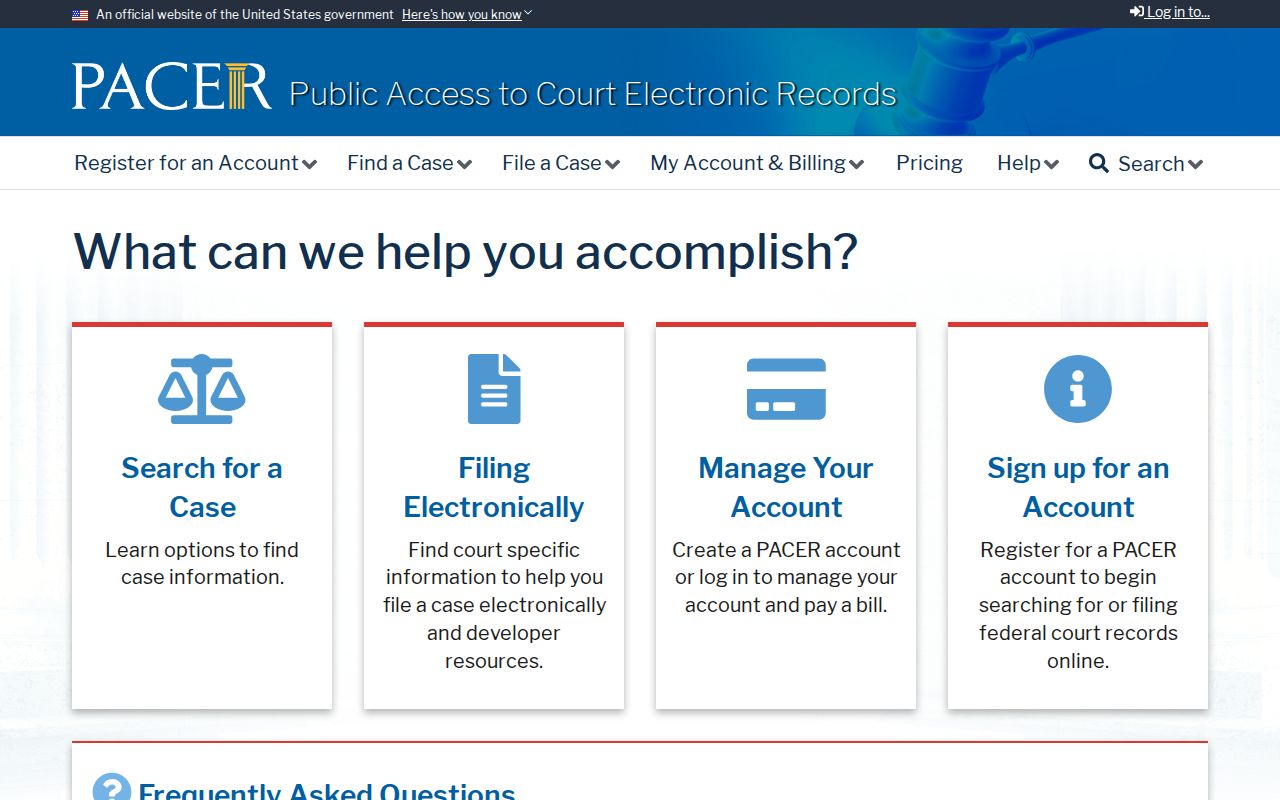
Use federal court identifiers and the proper district when following that path. PACER is not a substitute for the Custer County clerk's certified local judgment.
A sentence may also lead to federal custody. The Federal Bureau of Prisons Inmate Locator searches federal custody records rather than county court files.
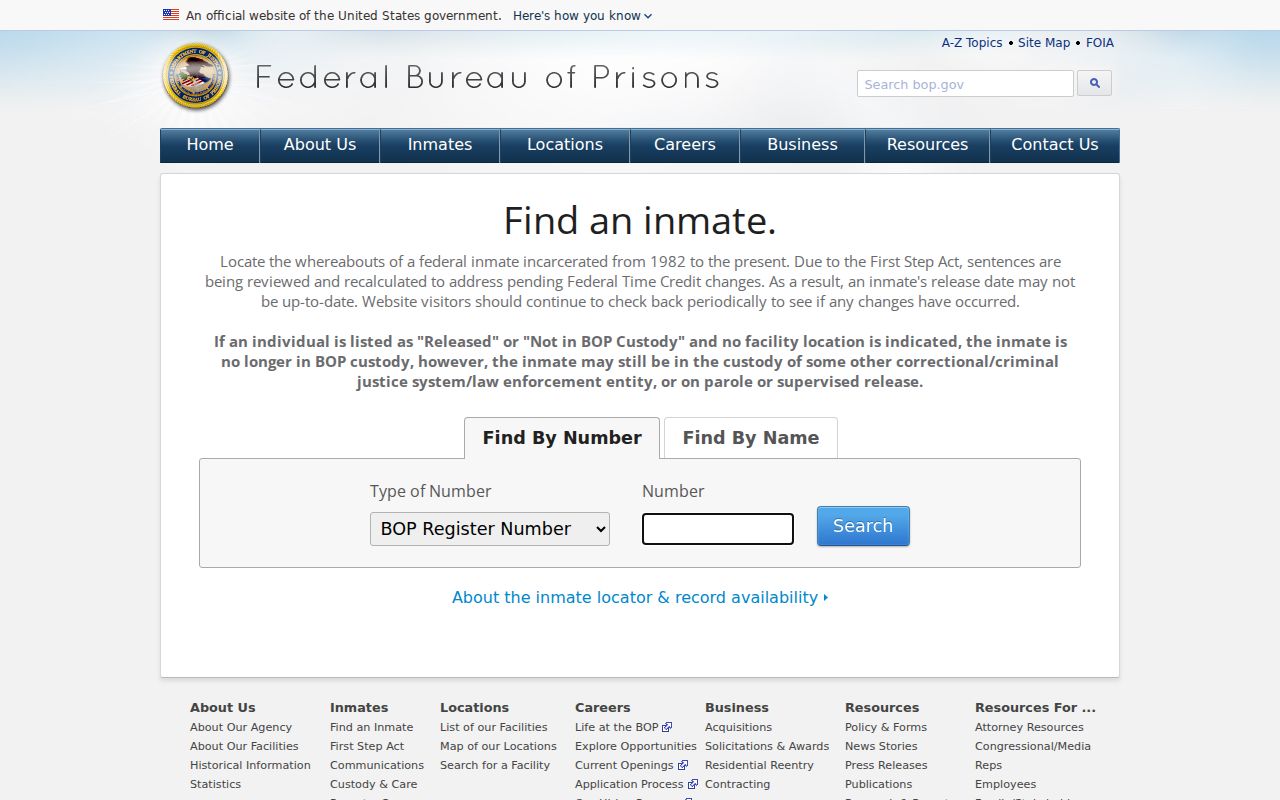
The locator helps establish a federal custody connection, but the docket and judgment remain in the federal court system.
Stages of a Criminal Case
A Custer County prosecution begins when the prosecutor files charges. Magistrate Court conducts the early felony proceedings and handles misdemeanor matters. An arraignment records the plea. Pretrial entries can include motions, orders, discovery events, and hearing settings. The case then resolves by plea, dismissal, acquittal, or trial result. If there is a conviction, the court enters judgment and sentence. Later docket events can show payment, probation issues, amended orders, appeals, or satisfaction.
Case flow: Charges Filed › Arraignment › Pretrial › Plea or Trial › Disposition › Sentencing
Dates matter. An arrest date, filing date, disposition date, and sentencing date describe different steps. A current booking may precede filing, while a case portal can lag behind a new event. Confirm urgent questions with the clerk rather than infer the next stage from a single entry.
Missing Custer Case PDFs
iCourt may display an event without offering its complaint, affidavit, order, or judgment as a public download. Send the case number and the precise document description to custercourtclerks@custer.idcourts.gov, or call 208-879-2359. Ask whether inspection, an ordinary copy, or a certified copy fits the need. The research found no Custer-specific criminal court copy schedule, so recorder fees published for land records should not be assumed to apply.
Older or restricted material also calls for direct review. The clerk can explain whether a record is archived, shielded, confidential, or simply absent from remote access. Certification confirms that a copy came from the court record. It does not turn a filed allegation into a conviction, so the final disposition still must be read.
Custer Case Sentences Beyond Dockets
A court file can show that Custer County imposed prison, probation, or another sentence. Custody and supervision systems answer a different question. Idaho Department of Correction records may show active state custody or felony community supervision, while the Idaho Commission of Pardons and Parole makes parole decisions.
The Idaho Commission of Pardons and Parole maintains the official parole authority site.
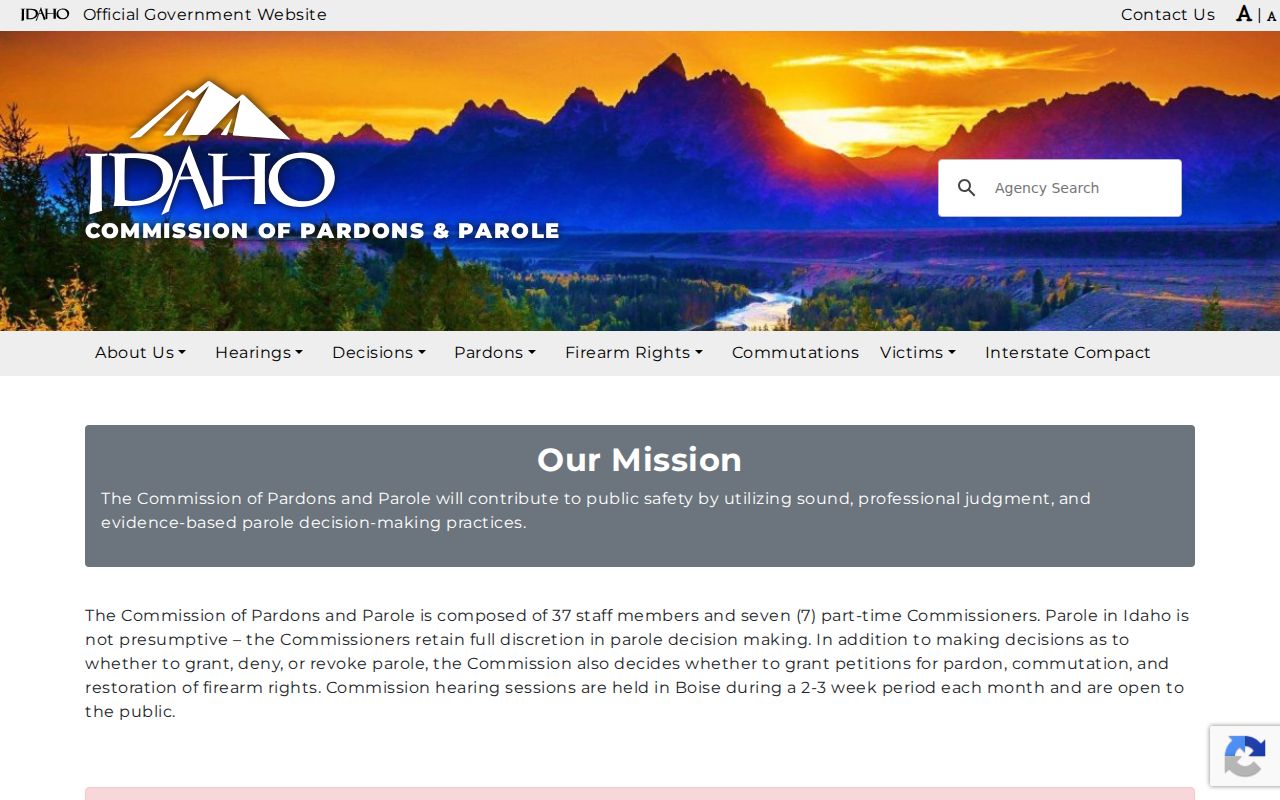
That state layer should be read with the Custer County judgment, since a parole page is not the charging record or complete docket.
Access & Restrictions
Public access has limits. Idaho Court Administrative Rule 32 controls court information that is public, confidential, sealed, or shielded. The Idaho Public Records Act provides a broader presumption of openness for many agency records, but it does not override the court rule. BCI criminal-history dissemination is separately governed by Idaho Code 67-3008. These sources cover different products and should not be blended into one supposed master record.
Use iCourt for the public case index, the Custer County clerk for the authoritative file and certified copies, the sheriff for sheriff-created reports, and Idaho BCI for an Idaho repository history. A court file may contain dismissed charges. A BCI response may lack a delayed disposition. When a result seems wrong, compare the case number, court, charge, and final order, then take certified material to the office responsible for the inaccurate record.